How To Build A Log Cabin With The Right Steps: An Ultimate Guide
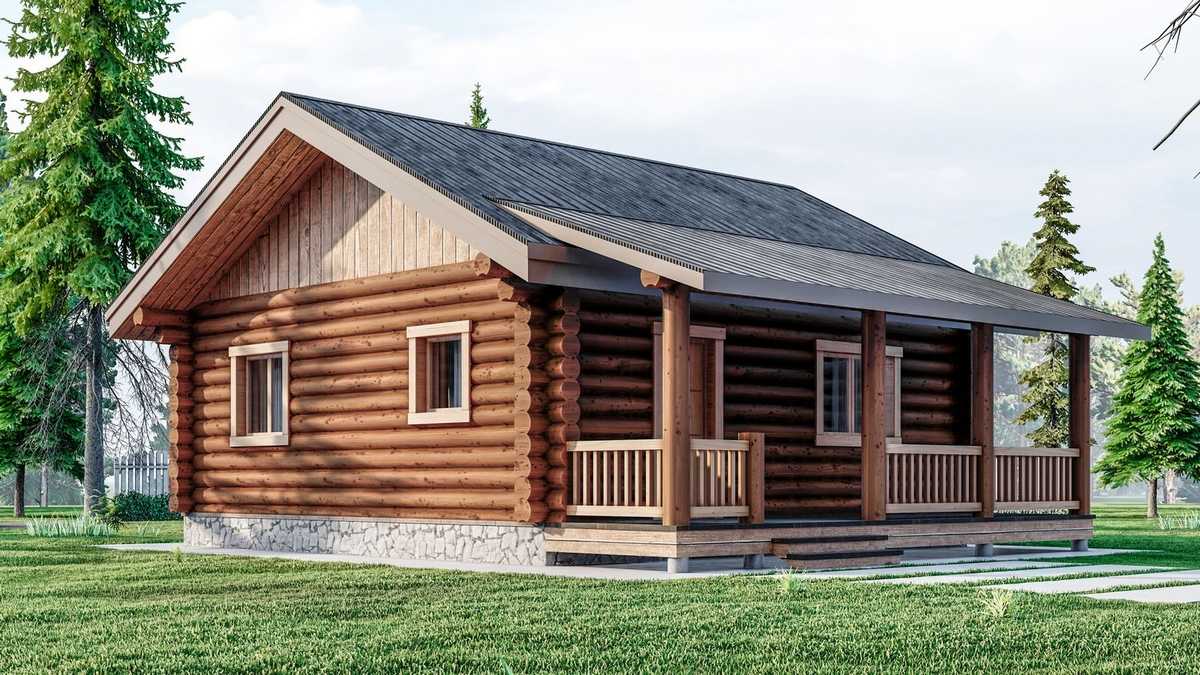
Dreaming of living in a log cabin in a secluded place surrounded by nature, where you find tranquillity and a luxurious experience? Right! We are here to guide you through how to build a ranch log cabin with clear, step-by-step instructions. Correct planning, log material, site and foundation all matter in building an ideal log home cabin. If you complete everything correctly, you’ll later enjoy a holiday escape or a weekend retreat in a beautiful, nature-connected environment. Let’s learn the process of building a log home through this comprehensive article.
Planning and Preparation To Build A Log Cabin
A successful project requires careful planning and preparation before construction. Choose a suitable location for your log cabin first. Consider elements like sun orientation, drainage, accessibility, and the surrounding environment. Once the site is chosen, select the cabin’s size and style while keeping your budget, intended purpose, and personal preferences in mind.
Next, gather the necessary permits and follow any local building standards or restrictions. For your log cabin, do some research and select the best type of wood. Different species offer varying levels of availability, durability, and insulation qualities.
Selecting the Perfect Cabin Logs
Choosing the ideal cabin logs to start by considering the type of wood that will work best for you and your surroundings. Pine, spruce, cedar, and fir are popular options, each with special advantages. For example, pine is easily accessible and reasonably priced, while cedar is naturally resistant to insects and decay, making it a great option for durability.
Techniques: How to Build a Log Cabin
Choose The Right Logs
Choosing the right logs is the first stage in constructing a log cabin. Your choice of wood will have an impact on the cabin’s overall strength and appearance. Hardwoods like oak, ash, or hickory are great options for log cabins because of their strength, but softwoods like pine or cedar are easier to obtain and work with. Picking straight logs, free of big knots, and having a consistent diameter is crucial.
After construction, logs should be seasoned or freshly cut for at least a year to avoid excessive shrinkage and cracking. Logs with few flaws will help guarantee the cabin’s structural stability and facilitate the construction process.
Prepare the Foundation
It is necessary to prepare the foundation before any construction can start. You can select from a variety of foundation options, such as a concrete slab, stone foundation, or pier-and-beam arrangement, depending on the topography and the kind of cabin you like to construct.
The foundation, which serves as the cabin’s structural support, needs to be level, solid, and strong enough to hold the weight of the logs. The most resilient choice is a concrete slab, which offers moisture protection and a sturdy foundation.
Set Up the Initial Log Course
The basis of the complete cabin building is established by the first course of logs, which makes it quite important. Carefully measuring and arranging the initial logs is necessary to ensure stability. Make sure they are square and level before placing them parallel to one another.
Make Notches and Joints
The logs are fastened together using a variety of joints and notches. The most popular are dovetail notches, which secure the logs together at their ends, and saddle notches, where the log ends are notched to fit snugly into the log below.
Organize the Logs
Every new course of logs is built on top of the one before it as you progress upward. To produce a more secure and consistent construction, it is crucial to stagger the seams when stacking the logs, just like when laying brickwork.…