How To Build A Log Cabin With The Right Steps: An Ultimate Guide
with No Comments

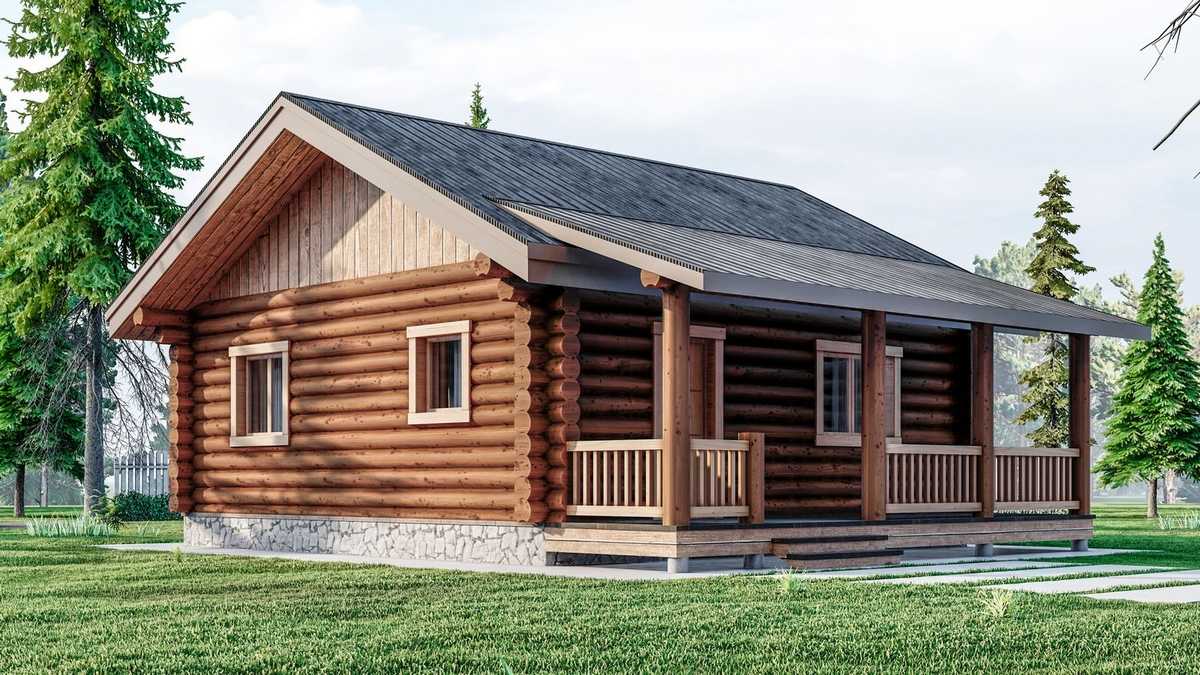
Dreaming of living in a log cabin in a secluded place surrounded by nature, where you find tranquillity and a luxurious experience? Right! We are here to guide you through how to build a ranch log cabin with clear, step-by-step instructions. Correct planning, log material, site and foundation all matter in building an ideal log home cabin. If you complete everything correctly, you’ll later enjoy a holiday escape or a weekend retreat in a beautiful, nature-connected environment. Let’s learn the process of building a log home through this comprehensive article.

Planning and Preparation To Build A Log Cabin

A successful project requires careful planning and preparation before construction. Choose a suitable location for your log cabin first. Consider elements like sun orientation, drainage, accessibility, and the surrounding environment. Once the site is chosen, select the cabin’s size and style while keeping your budget, intended purpose, and personal preferences in mind.

Next, gather the necessary permits and follow any local building standards or restrictions. For your log cabin, do some research and select the best type of wood. Different species offer varying levels of availability, durability, and insulation qualities.

Selecting the Perfect Cabin Logs

Choosing the ideal cabin logs to start by considering the type of wood that will work best for you and your surroundings. Pine, spruce, cedar, and fir are popular options, each with special advantages. For example, pine is easily accessible and reasonably priced, while cedar is naturally resistant to insects and decay, making it a great option for durability.

Techniques: How to Build a Log Cabin

Choose The Right Logs

Choosing the right logs is the first stage in constructing a log cabin. Your choice of wood will have an impact on the cabin’s overall strength and appearance. Hardwoods like oak, ash, or hickory are great options for log cabins because of their strength, but softwoods like pine or cedar are easier to obtain and work with. Picking straight logs, free of big knots, and having a consistent diameter is crucial.

After construction, logs should be seasoned or freshly cut for at least a year to avoid excessive shrinkage and cracking. Logs with few flaws will help guarantee the cabin’s structural stability and facilitate the construction process.

Prepare the Foundation

It is necessary to prepare the foundation before any construction can start. You can select from a variety of foundation options, such as a concrete slab, stone foundation, or pier-and-beam arrangement, depending on the topography and the kind of cabin you like to construct.

The foundation, which serves as the cabin’s structural support, needs to be level, solid, and strong enough to hold the weight of the logs. The most resilient choice is a concrete slab, which offers moisture protection and a sturdy foundation.

Set Up the Initial Log Course

The basis of the complete cabin building is established by the first course of logs, which makes it quite important. Carefully measuring and arranging the initial logs is necessary to ensure stability. Make sure they are square and level before placing them parallel to one another.

Make Notches and Joints

The logs are fastened together using a variety of joints and notches. The most popular are dovetail notches, which secure the logs together at their ends, and saddle notches, where the log ends are notched to fit snugly into the log below.

Organize the Logs

Every new course of logs is built on top of the one before it as you progress upward. To produce a more secure and consistent construction, it is crucial to stagger the seams when stacking the logs, just like when laying brickwork.…

The High-Tech Hearth: Why AI-Powered Outdoor Ovens Are the Future of Backyard Cooking

with No Comments

For generations, the outdoor cooking experience was defined by the primitive mastery of fire. Whether it was the smoky uncertainty of charcoal or the steady but manual adjustment of a gas flame, the “pitmaster” was required to be constantly present—poking, prodding, and guessing. However, a significant shift is occurring in backyards across the globe. Artificial intelligence is migrating from our smartphones and home offices into the rugged world of Fontana Forni smart outdoor oven. This transition is not merely about adding a digital screen to a grill; it is about creating a truly intelligent cooking environment that takes the guesswork out of the heat and delivers restaurant-quality results with the push of a button.

The Evolution of Precision Heat Management

Traditional outdoor cooking is notoriously difficult because of the variables involved. Wind speed, ambient temperature, and humidity can all drastically change how an oven performs on any given day. AI-powered outdoor ovens solve this by utilizing a network of internal sensors that act as the device’s eyes and ears. These sensors monitor everything from oxygen levels and moisture evaporation to the precise temperature of the cooking stone and the surrounding air.

By processing this data in real-time, the AI algorithm can make micro-adjustments to the fuel or airflow that a human simply could not execute. If the oven detects a drop in temperature due to a gust of wind, it automatically compensates to keep the heat curve consistent. This level of precision is especially vital for Neapolitan pizza, which requires a blistering and steady heat of nearly nine hundred degrees Fahrenheit. With an AI-driven system, you no longer have to worry about the “soggy bottom” or the burnt crust; the oven learns the thermal dynamics of your specific environment and adapts accordingly.

Computer Vision and Ingredient Recognition

One of the most futuristic aspects of modern outdoor ovens is the integration of internal cameras and computer vision technology. In high-end smart ovens, these cameras are not just for live-streaming your dinner to social media; they are sophisticated diagnostic tools. When you slide a pizza, a tray of roasted vegetables, or a prime rib into the oven, the AI can recognize the item based on a vast database of visual profiles.

Once the food is identified, the oven suggests an optimal cooking program tailored to that specific dish. It knows the difference between a thin-crust New York-style pizza and a dense Chicago deep dish, adjusting the intensity of the top flame and the temperature of the floor to ensure an even bake. As the cooking progresses, the computer vision monitors the browning of the crust or the sear on the meat, sending a notification to your phone the exact moment the dish reaches its peak. This eliminates the need to constantly open the door—a habit that traditionally leads to heat loss and inconsistent results.

Bridging the Gap Between Novice and Professional

The steep learning curve of wood-fired cooking has often been a barrier for many backyard enthusiasts. Mastering the “low and slow” method of a smoker or the high-velocity heat of a pizza oven typically requires years of trial and error. AI technology serves as a digital mentor, effectively democratizing the art of outdoor cooking. By utilizing chef-tested presets and predictive modeling, these ovens allow a beginner to achieve results that once required professional training.

Many of these systems are connected to the cloud, where they receive “experience” from thousands of other ovens. If a particular recipe for sourdough bread is proving successful across a network of users, the AI can refine its own internal parameters to replicate those results for you. This collaborative learning means the oven actually gets smarter and more accurate the more it is used. It empowers the casual weekend griller to experiment with complex techniques, such as cold-smoking or high-moisture roasting, with the confidence that the technology is acting as a safety net.

Conclusion

The hearth has always been the social center of the home, and moving it outdoors has only enhanced its ability to bring people together. By infusing this ancient tradition with the power of artificial intelligence, we are entering an era where the frustration of failed meals is replaced by the joy of consistent perfection. AI-powered outdoor ovens do not replace the chef; they liberate them, handling the repetitive and technical aspects of heat management so the cook can focus on the creative and social elements of the meal. As this technology continues to evolve, the backyard will no longer be a place of culinary guesswork, but a sophisticated laboratory of flavor where every sunset is accompanied by a meal done exactly to your liking.…